Back to the Future — The Unrestricted Spying of Yesterday… and Tomorrow?
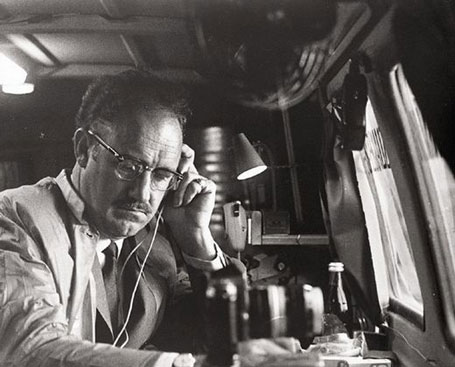
This simply means that until spring last year, the police literally had a carte blanche regarding whom to spy on and for whatever reasons they chose. Unbeknownst the public, the instructions allowed unrestricted espionage.
“Good things happen slowly,” Björn Bjarnason, Iceland’s former Minister of Justice, wrote on his blog in March of last year when his successor in office, Minister of the Interior Ögmundur Jónasson, called for a press conference to announce that the police would soon be granted proactive investigation powers.
While Ögmundur and other Left Green MPs often criticised Björn for his aggressive efforts to increase police powers during the latter’s six years in office, he is now advocating for increased police powers as part of The State’s crusade against purported organised crime, which is believed to be predominantly manifested in a number of motorcycle gangs, including the Hells Angels.
A bill that he proposed to parliament last month does not contain the infinite investigation powers that the police have openly asked for, but does nevertheless allow them to start investigating people who they believe are planning acts that would fall under the category of organised crime and are punishable by at least four years of imprisonment.
While the case is usually presented as the police’s struggle to gain greater justifiable investigative powers — in which they have supposedly not fully succeeded — the fact is that, from at least July 1999 to May 2011, the police had unrestricted authority to monitor whomever they wanted due to poorly defined regulations. Read More