
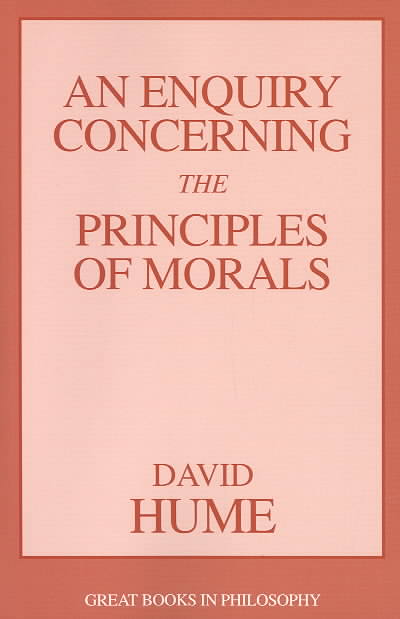
An Enquiry concerning the Principles of Morals
De rooie rat is failliet, u kunt niet meer bestellen. ISBN: 9781591021469 Taal: Engels Jaar: 2004 filosofie verenigd koninkrijkJudging it to be ?of all my writings incomparably the best,? Hume accurately assessed this groundbreaking classic, which continues to influence philosophical thinking on ethics to this day through the force of its ideas and its clarity of expression. Among the many insights that Hume expounds in this work is that morality is grounded in feelings, not in knowledge. Based on moral sentiment, people naturally value agreeable qualities and shun disagreeable ones. On closer analysis, Hume concludes that the feeling of agreeableness comes from an innate perception of the utility of a particular quality or person to one?s self. Anticipating later utilitarian philosophy, he maintains that the virtues that are most highly esteemed are those that have the greatest usefulness to most people. Justice, for example, is greatly prized because it ideally ensures to everyone a fair share of happiness and security.
Hume puts special emphasis on altruism, which he says is rooted in the natural feeling that each of us has for our fellow human beings. When surrounded by people in enjoyable circumstances, we tend also to feel the same enjoyment, and when learning of tragedy, even among people on the other side of the world, we tend to feel sad. Out of such natural sympathy and our general moral sentiments, moral distinctions between good and bad arise, and we are motivated to direct our actions toward ideal goals, not only for ourselves but especially for others.
In many ways, Hume?s thinking about ethics was considered radical in its day. His empirical method of interpreting morality as an outgrowth of innate, human emotions helped to steer later philosophy away from the transcendentalist notions of ethics that had earlier prevailed.
How do we come to have ideas about the world and about the relationships of objects we perceive therein? Is all impressed upon the senses from outside or does the human mind have a significant role to play in how such concepts as "causality," "probability," "necessity," "contingency," "miracles," and others are to be understood? If so, what is the nature and extent of that role?
In this classic work of early modern epistemology, Hume offers important insights about how we come to understand and have knowledge of our world and, in so doing, alter our relationship with it.
Gerelateerde boeken
 The Weather Underground And the Politics of Solidarity €21,95 |
 €10,00 |
 Zestig jaar succes en mislukking. Geschiedenis van de PvdA €22,50 |
 Transnational Terrorism and the New Global Disorder . €17,50 |